
" We don't sell the wine without touching the vine "
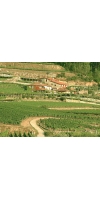
The Vilerma - Leiro Estate
Vilerma is owned by Arsenio Paz, who converted the local production from kiwi to grape back in the 1970's as there was a higher demand for Galician White Wine.
The Vilerma - Leiro Vineyards
There are 7 hectares (17.36 acres) of vines which mainly consist of the Ribeiro production varieties: Treixadura, Torrontes, Godello, Albariño and Loureira.
Treixadura grape: Distinguished, harmonious and rounded, Treixadura is the top white variety in the Ribeiro vineyards; it is perfectly suited to the area and is the expression of the full potential of the region. It is gradually being planted to take over from other varieties that are less suitable for the area. It is irreplaceable in the Ribeiro district and was the main variety responsible for the legendary reputation earned by the region's wines
The Ribeiro Denomination of Origin is in Southern Galicia, on the North-West edge of the province of Ourense, where the valleys formed by the Miño, Avia, Arnoia and Barbantiño rivers meet. It has 2,685 hectares of vineyards in the boroughs of Ribadavia, Arnoia, Castrelo de Miño, Carballeda de Avia, Leiro, Cenlle, Beade, Punxín and Cortegada, and in parts of the boroughs of Boborás, San Amaro, Toén, Carballiño and Ourense. The vineyards cover areas of varying altitudes, from 75 to 400 metres above sea level, in valleys and on sometimes very steep hillsides on terraces known as “socalcos” or “bocarribeiras” that follow the contours of the hills.
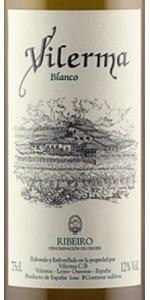
Vilerma Blanco Ribeiro is made from 80% Treixadura, 6% Torrontes, 4% Godello, 4% Albariño, 3% Loureira and 3% Lado
Ribeiro blanco is produced from estate-grown grapes using traditional winemaking.
Pale yellow color with green highlights.
Intense white fruit aromas when young, it develops complex nuances after a few years in the bottle.
In the mouth it is ample, full and pleasant with a long and fruity finish.
Fermentation in Stainless Steel tank at controlled temperature.
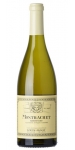
Louis Jadot Montrachet Grand Cru is made from 100 percent Chardonnay.
Le Montrachet is situated to the south of the Côte de Beaune, on both villages of Puligny Montrachet and Chassagne Montrachet (like the Batard Montrachet Grand Cru).
The terroir is extremely chalky with a lot of stones, perfectly drained and easy to overheat with south-south-eastern exposition.
The Montrachet is produced with Chardonnay
Grapes are harvested by hand and put in small cases in order not to damage the fruits. Grapes are pressed softly, they ferment in oak barrels produced by our cooperage. 1/3 are new barrels. Aging usually lasts 15 months on fine lies before bottling.
Review:
Aromas of buttered toast, honeyed peaches, white flowers and mint introduce the 2019 Montrachet Grand Cru (Maison Louis Jadot), a full-bodied, layered and enveloping wine that's satiny and sumptuous, with lively acids and fine depth at the core. While I'd give the nod to the stunning Demoiselles as Jadot's best white wine this year, this Montrachet—purchased from the Chassagne-Montrachet side, from the house's usual source—is undeniably promising.
-Wine Advocate 94-96 Points

Ferrata Etna Bianco Veni is 100% Carricante
Straw yellow colored with hints of almonds, vanilla and ripe fruit notes on the nose. On the taste, it is very rich in savoriness and freshness.
No irrigation. Hand harvest at the end of october.
Selection of the best grapes made by hand.
Destemming and soft pressing into a pneumatic press (Extraction of the 60% of the Juice, Mosto Fiore).
60% of the juice was fermented in stainless steel tanks and 40% was fermented in French Oak barriques (no new oak, only second use barrels).
No ML Fermentation.
Batonnage in Oak.
Ageing in Oak and Stainless steel for 12-14 months, plus an additional 6 months minimum in the bottle.
Ideal with shellfish, raw fish or preparation with more intense flavors.
Also delicious with fresh and semi-matured cheeses.