
" We don't sell the wine without touching the vine "
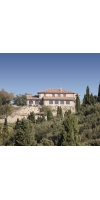
The Tenuta Vitanza Estate
The story of Tenuta Vitanza begins in 1994, when Rosalba Vitanza and her soon-to-be husband, Guido Andretta, spent a romantic weekend in Montalcino.
Rosalba has a PhD in Philosophy, and was teaching at the University of Rome, La Sapienza branch. Guido Anderetta was working as an aerospace engineer, running his own consulting business based in the United Kingdom and the U.S.A.
In 1994, they united their efforts behind the purchase of Podere Rensione, a country home with two acres of vineyards. Their first vintage was 1995 and the couple received 93 points from the Wine Spectator. Today, they own 80 acres of vines (not all in production year), and have a long-term goal of 15,000 cases of production. Since 2002, the couple has been building a modern, gravity flow winery, computer controlled, and wi-fi connected, in the town of Torrenieri. The winery has 13 large stainless steel tanks, each signifying a specific vineyard area. Also, the winery has been designed with total traceability, meaning that each bottle is numbered. In the future, you will be able to access their website, punch in the bottle’s number, and receive the following information:
· bottle type
· cork used
· kind of aging & how much time
· vineyard location & exact parcel
· weather that particular vintage
The Tenuta Vitanza Vineyard
25.8 hectares in production now or 63 acres, broken down as follows:
Size Grape Wine Type
14.4 acres Sangiovese Brunello di Montalcino
3.0 acres Sangiovese Chianti, Colli Senesi
4.0 acres Sangiovese Orcia, DOC
1.4 acres Sangiovese Sant Antimo, DOC
3.0 acres Merlot for Quadrimendo & Chianti
25.8 hectares = 63.73 acres
No products found
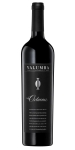
A very deep purple, red in color. This wine showcases Shiraz with its depth of Barossa Valley and the alluring, aromatic freshness of Eden Valley. Vibrant aromas of dark cherries, anise and red raspberry. A distinctive wine with richness and dark berry, fruit compote palate. Perfectly balanced, elegant and refined.
Enjoy with beef filet, roast beetroot and horseradish, or Korean fried cauliflower.
This blend of Barossa Valley (67%) and Eden Valley fruit hails from five parcels averaging 80 years old, the oldest planted in 1854. Intensely concentrated in hue and muscular flavour. Spicy and mineral to the nose and palate, with glimpses of violets. Its iodine and liquorice-edged black cherry and blueberry flavour is succulent, but still in the grip of the sinewy, charry oak, making for an imposing, slightly austere finish. A powerhouse.
Saturated ruby. Heady aromas of ripe dark berries, cherry liqueur, vanilla and incense, with smoky mineral and exotic spice accents building in the glass. Seamless in texture and deeply concentrated, offering palate-staining black and blue fruit, floral pastille and mocha flavors that turn sweeter with air. At once plush and lively, finishing extremely long and smoky, with repeating dark berry and floral notes and velvety tannins.
-Vinous 96 Points

Wine Production: 100% whole bunches undergo a natural yeast fermentation. The wine is then left on lees for a year, with just one handling into the blending tank before bottling. A small amount of Sulphur is added at this point. Wines are bottled without fining or filtration.
Tasting Notes: Spicy and stalky, it has the customary black and red berry notes of Cabernet with a perfumed freshness and medium body. Fine-grained tannins are tempered by the influence of some carbonic maceration in the ferment.
“Cabernet from a north-facing slope on Hans and Anna Orth's vineyard in Coldstream. 100% whole bunches, matured in hogsheads (10% new). A bit darker and denser than last year's wine but equally elegant and perfumed with its scents of blackcurrant, cherry, blackberry leaf and violets. Medium bodied with balanced, mouthcoating yet fine tannins. A lovely wine, more reminiscent of great cabernet franc than sauvignon.”
- James Halliday 96 Points
“Superbly delineated aromas of dried sage, cassis, bay leaves, green beans and mossy forest scents. 100% whole bunch without an ounce of edginess or astringency. This is gorgeous, medium-bodied, perfumed and succulent. There’s a gentle raft of tannins rather than a chunky heaviness. Not dissimilar to the levity and élan of top Loire cabernet franc. Delicious.”
-James Suckling 95 Points