
" We don't sell the wine without touching the vine "
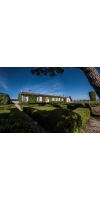
Château Meyney was one of the first sites in the Médoc and prestigious Saint-Estephe area to be planted with vines in the 13th century by the Cisteron monks. In 1662, it was a convent mentioned in records under the names Couvent des Feuillants or Prieuré des Couleys. It belonged to the Feuillants monks. Today, the estate stretches over some of the best hilltops above the Gironde Estuary. The river lying alongside the first rows of vines makes for a majestic, serene landscape. The estate belonged to the Luetkens family for several generations, and was then acquired by Mr Désiré Cordier in 1919. In 2004, CA Grands Crus, a subsidiary of the Groupe Crédit Agricole, acquired Château Meyney, with a determination to strengthen the potential of this outstanding cru.
Meyney benefits from an exceptional site, a unique terroir, a rich and long history, making it an outstanding Médoc estate.
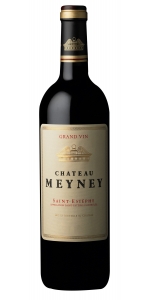
Meyney Saint Estephe is made from 52% Cabernet Sauvignon, 35% Merlot and 13% Petit Verdot.
The vineyards planted on a perfectly drained siliceous gravel soil provide ideal conditions for the maturity of the grapes and result in a very deep black color wine with spicy notes and a distinguished style.
The 2020 vintage embodies what Bordeaux does best - a great classic vintage, complete, complex, rich and unctuous.
Review:
"Attractive aromas of ripe dark berries with dark spices, walnut, chocolate nibs and bark. Medium- to full-bodied with a dense, velvety texture and plush, fine-grained tannins. Very textural and creamy with a deep core of ripe dark fruit and a succulent finish. Try after 2025."
- James Suckling, 93 pts

Boroli Cerequio is made from 100 percent Nebbiolo.
The Boroli family is a family of entrepreneurs, with roots in Piedmont dating back to 1831. The family started their winemaking business in1997, when Silvano and Elena Boroli felt an ardent desire to step away from the pressures of their publishing business and reconnect to nature. Silvano and Elena grew the company until their son, Achille, stepped in to run the wine-growing and production business in 2012.
With the 2012 grape harvest Achille decided to radically change the methods used in vineyards and wineries, aiming for the highest quality in Barolo and its crus. He cut production levels, updated the winemaking technology, and focused on low intervention methods to raise the quality of the Boroli wines be on par with the finest Barolo wines.
About the Vineyard
The Cerequio cru lies just across the valley from the Boroli winery in the commune of La Morra and is considered one of the most prestigious sites in the Barolo DOCG zone. It is known to produce Nebbiolo wine of enormous elegance and finesse.
Wine Production
Cerequio is distinguished by a careful selection of grapes, precise destemming, and a long maceration with submerged cap.
Tasting Notes
A clear bright ruby color with very light garnet red reflections; intense and persistent aroma of red fruit with notes of plum and cherry. A pleasant aroma of wood is noticeable after the fruity aroma, anticipating the full taste of a great wine suitable for long lasting life. A succulent, rich, full-bodied and pleasant taste emerges after the woody one, with the presence of slightly ripe red fruit.
Food Pairing
Thanks to its viscosity and body, Barolo is the ideal wine to pair with elaborate dishes and dishes like truffle dishes, meat dishes, pasta with porcini mushrooms, game, and aged cheeses. Cerequio is also perfect with dry pastries or chocolate.
Review:
Elegant bright ruby red. Fragrant and inviting nose of strawberries with whipped cream, icing sugar, elderflower and roses. Flattering palate with clear fruit and appealing acidity, unfolds into a complex style, punchy on the palate with a clear, slightly salty finish.
-Falstaff 95 Points

Palacio de Fefinanes Albarino "III Ano" is made from 100 percent Albarino
The III Año shows all the expressiveness of the Albariño grape, with full nose of mature fruit and a mineral character. Complex and meaty with firm structure in the mouth, it promises a splendid evolution which will favor a long life for this elegant wine with personality.
Aged for 3 years on the lees in stainless steel tanks.
Wine is aged for a total of 6 months: 4 months in French and American Oak barrels. No new oak, only 1, 2 and 3 year old barriques. During these 4 months, wine is aged on the fine lees with frequent Batonnage (stirring of the lees) in order to get the most expressive notes from the Albarino varietal. Then, it is transfered into a stainless steel tank, which allows the oak aromas to be assimilated and integrated.
1583 is the birth date of the Viscount of Fefinanes, Gonzalo Sarmiento Valladares, builder of the Castle of Fefinanes, in Cambados. They wanted to pay tribute to their ancestor with this wine that managed to reach a perfect harmony between the fruitiness of the Albarino grape and the complexity brought by the oak aging.
Excellent with shellfish, grilled or stewed fish, white meats, poultry