
" We don't sell the wine without touching the vine "
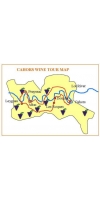
The region of Cahors is a 500-kilometer pathway that leads through Quercy creating alluvial soils and fertile valleys thanks to the broken limestone hills in the region. Described as the Sud-Quercy, or Southwest. There are actually ten wine regions that stretch from the Spanish border to central France from the Pyrenees, to the Mediterranean, and the Atlantic. The region consists of 45 villages and 4250 acres and is a compact area that is 40 kilometers wide and 60 kilometers long. The majority of the vineyards, 70% of them to be exact, are located on a narrow strip of land on each side of the Lot River between Cahors and Puy L'Eveque. The wines in this area are very fruity, full-bodied, bold, and powerful. The rest of the vineyards are on the limestone causse plateau above Cahors, tend to less robust, but have the same distinctive finesse and elegance. Most of the hillsides are limestone soils. Because of the combination of soils, which are very conducive to grape growing, and the climate, which is mild with lots of sunshine, vineyards in Cahors produce wines with all of the characteristics of a great vineyard. The region produces inexpensive table wine to some of the most award winning reds and whites in the world.
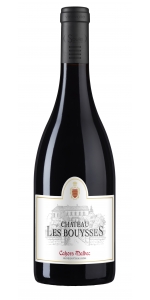
Bouysses Cahors is made from 100 percent 100% Malbec.
A beautiful dark brilliant ruby purple color. The nose is complex of black cherry, blackberry with a hint of violet, followed by a buttery and vanilla note. The palate is rich, powerful, with smooth and melted tannins. This wine is fleshy and velvety.
Serve with game meat, red meat, duck confit, and goat cheese.
Maggy Hawk Unforgettable Pinot Noir is made from 100 percent Pinot Noir.
HARVEST NOTES
All plants require water to grow, and grapevines are no exception. The 2021 growing season was our driest yet. The Maggy Hawk vineyard relies on rainfall in the winter and spring to fill our vineyard ponds to irrigate our vines during the summer months. These ponds ran dry a few weeks before harvest began. Fortunately, the grapes made it across the finish line without being affected by the drought. We typically harvest over 2-3 weeks. In 2021, everything was ready at once, and we harvested in just one and a half weeks. The clusters had a shorter ripening period and were harvested on the earlier side, which produced wines with intense hues, great acidity, and concentrated aromas and flavors.
WINEMAKING
Our 2021 Unforgettable Pinot Noir is crafted from a unique selection of five blocks and three clones from all corners of the Maggy Hawk vineyard. Upon arriving at the winery, we separate the individual blocks and allow the grapes to cold soak for 5 days before raising the temperature and beginning fermentation. The fruit is then pressed very gently, and the free run is kept separate from the harder pressing and racked down to barrels. The wine is allowed to go through malolactic fermentation on its own before being left to age in 30% new French oak barrels for 17 months. Finished unfined and unfitered.
Freshness, power and persistence. Unforgettable delivers a pronounced mix of fresh black cherry and red plum balanced by hints of dried lavender, bay leaf, anise and potting soil notes. A perfect balance of structured and juicy with smooth, rounded edges on the palate due to integrated tannin.
Review:
This wine is opulent, with aromas of Black cherry, red currant compote, cinnamon spice, and fresh florals on the nose. The flavors on the palate are Bing cherry, blackcurrant confiture, vanilla lime cream interwoven with dried herbs, bittersweet chocolate, earth and a long silky finish. Hold or Drink until 2032 Pair with Lamb Shoulder — Tonya Pitts
-Wine Enthusiast 94 Points
The 2021 Pinot Noir Unforgettable boasts a deeper red/ruby color and was aged in 38% new French oak. There’s more 667 clone in this blend, which reveals a darker profile in the glass, with red and black-fruited notes of black raspberries, brambly herbs, forest floor, and cedar. Medium-bodied, it has a broader shouldered feel, with lovely structure throughout and a lovely, ripe finish. It’s going to drink well over the coming 10 years.
-Jeb Dunnuck 94 Points

Larroque Bordeaux Blanc is made from 73% Sauvignon Blanc and 27% Colombard.
No oak.
Color : Pale yellow with green tints.
Nose : Complex aromas of white flowers, exotic fruits, citrus and boxwood, with a touch of minerality.
Mouth : Aromatic, with a nice richness and freshness. Predominant flavors of tart, crisp fruit.
Marie-Christine, the daughter of Henri Ducourt, purchased this prestigious left-bank property in 1979, which lies on the border of the Graves appellation.
The 60-hectare vineyard was rapidly replanted and the château building, which dates from 1348, was restored.
Our family now produces three different-colored wines there: red, white and rosé.
Grown on loamy-clay soil.
Harvest : Machine harvesting in the cool, early morning
Maceration : Skin-contact maceration for several hours, depending on ripeness, and pressing
Fermentation : Beginning of the cold alcoholic fermentation (12°C / 53°F) then an increase in temperature to finish the fermentation at 20°C / 68°F.
Enjoy this wine as an aperitif or during the meal with fish, seafood or chicken salad.