" We don't sell the wine without touching the vine "
| Country: | France |
| Region: | Burgundy |
| Winery: | Pernot Belicard |
| Grape Type: | Chardonnay |
| Organic: | Yes |
| Vintage: | 2022 |
| Bottle Size: | 750 ml |
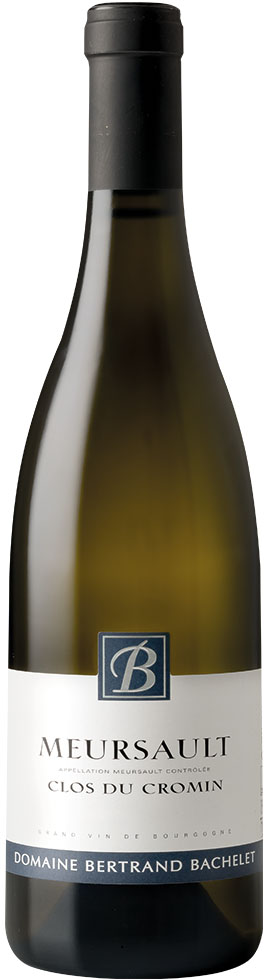
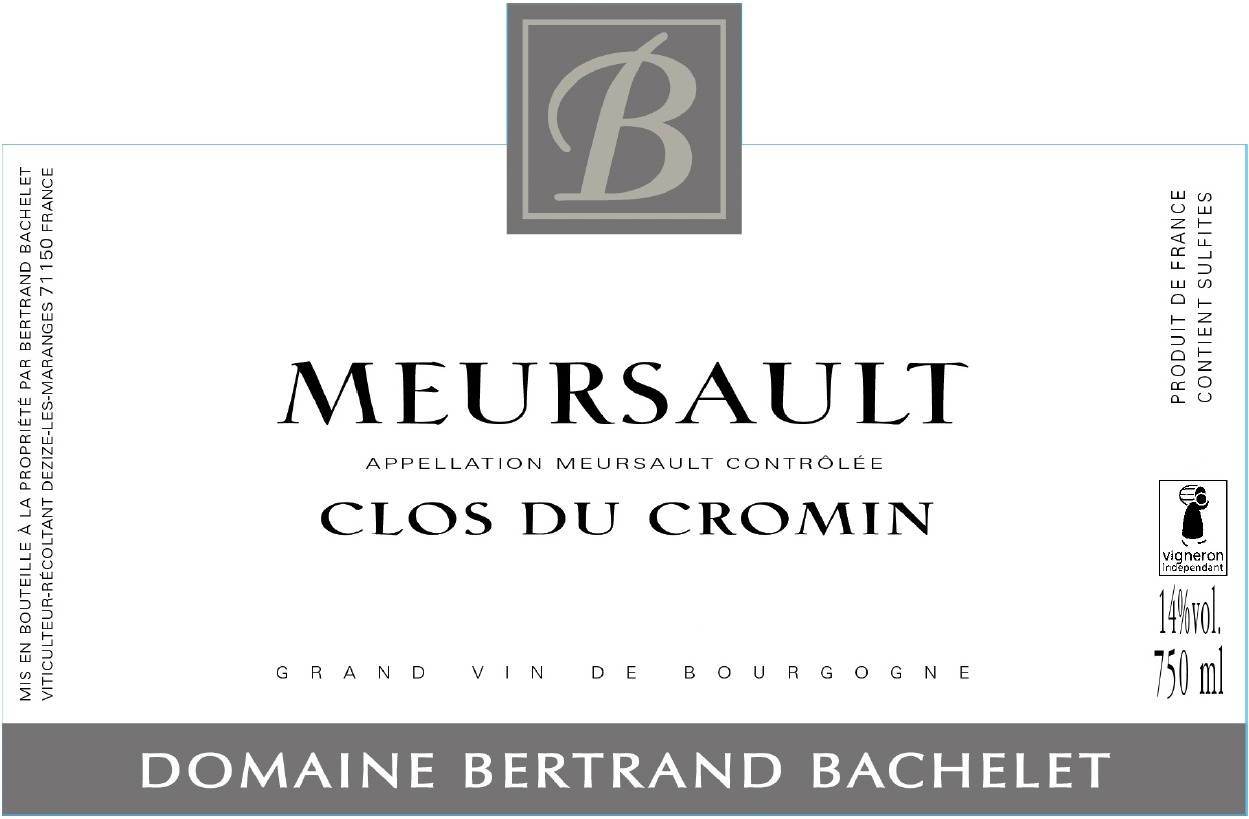
Bertrand Bachelet Meursault Clos du Cromin is made from 100 percent Chardonnay.
Meursault, the world-renowned appellation, has produced mostly fine white wines for centuries.
Meursault Clos du Cromin takes its name from the village "Le Cromin", situated in the north-east of the appellation, close to the Volnay vineyard, in rich, clay soil.
The wine reveals a beautifully transparent and brilliant color, a subtle nose of citrus fruits, butter and honey, and a long finish.
Pairs with a noble fish, or white meat in sauce.
Bertrand Bachelet Maranges Rouge 1er Cru Les Clos Roussots is made from 100 percent Pinot Noir.
The Maranges appellation is the youngest of the Côte de Beaune family, making its debut in May 1989. It spans three villages: Dezize-lès-Maranges, Cheilly-les-Maranges and Sampigny-les-Maranges. Several hills and slopes make up the appellation; they face south/south-east, at an altitude of between 200 and 400 meters. This appellation produces mainly red wines comprising 95% of total production.
The Maranges 1ers Crus are spread over seven distinct terroirs: "Les Clos Roussots", which represents the second largest terroir of the appellation, spans the Cheilly-les-Maranges and Sampigny-les-Maranges areas.
The wine boasts a beautiful bright red color. The nose provides subtle harmony between red and black fruits, spices and vanilla. On the palate, this wine is both solid and fresh, harmonious and bold.
Enjoy with a veal roast and sweet potatoes or matured cheeses.
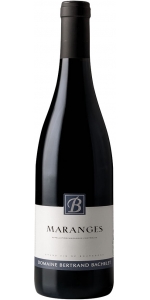
Bertrand Bachelet Maranges Rouge is made from 100 percent Pinot Noir.
The Maranges appellation is the youngest of the Côte de Beaune family, making its debut in May 1989. It spans three villages: Dezize-les-Maranges, Cheilly-les-Maranges and Sampigny-les-Maranges. Several hills and slopes make up this appellation, that are south/south-east-facing. This appellation produces mainly red wines comprising 95% of total production.
Bertrand Bachelet Maranges is produced from two villages, Aux Artaux and En Crevèches, both situated in the Cheilly-les-Maranges area. The vineyards spreads over 1.42 hectare (3.50 acres).
The wine offers a deep red color with purplish highlights, a powerful nose with aromas of raspberries, blackcurrants, and small red candied fruits. A silky texture, fresh and elegant on the palate.
Ideally paired with red meat or a more exotic dish, such as nems, grilled ribs or braised pork.
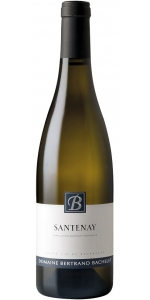
Bachelet Bertrand Santenay Blanc is made from 100 percent Chardonnay.
Tasting Notes:
The Santenay Blanc comes from a parcel that is 1.2 hectares in size (3 acres) in the village called “En Charron”, at around 300 meters above sea level, with excellent sunshine and thin limestone soil, guaranteeing great aromatic finesse.
The wine shows a beautiful golden color, a fresh and slightly roasted nose combining lemon and lime aromas with a hint of vanilla. On the palate, almond and toasted hazelnut flavors, along with notes of white flowers and vanilla nuances.
Bertrand Bachelet Maranges Rouge 1er Cru Les Clos Roussots is made from 100 percent Pinot Noir.
The Maranges appellation is the youngest of the Côte de Beaune family, making its debut in May 1989. It spans three villages: Dezize-lès-Maranges, Cheilly-les-Maranges and Sampigny-les-Maranges. Several hills and slopes make up the appellation; they face south/south-east, at an altitude of between 200 and 400 meters. This appellation produces mainly red wines comprising 95% of total production.
The Maranges 1ers Crus are spread over seven distinct terroirs: "Les Clos Roussots", which represents the second largest terroir of the appellation, spans the Cheilly-les-Maranges and Sampigny-les-Maranges areas.
The wine boasts a beautiful bright red color. The nose provides subtle harmony between red and black fruits, spices and vanilla. On the palate, this wine is both solid and fresh, harmonious and bold.
Enjoy with a veal roast and sweet potatoes or matured cheeses.
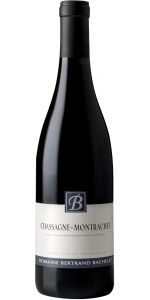
Bachelet Bertrand Chassagne Montrachet Rouge is made from 100 percent Pinot Noir.
The Chassagne-Montrachet appellation is originally better known for its white wines, but also produces high quality red wines. The complexity of the terroir allows both varieties to thrive side by side.
The wine is produced from vineyards located in the villages of Les Lombardes and Les Benoites that benefit from iron rich clay soils. A ruby garnet color, and an expressive nose of spices and red fruits that echo on the palate.
Pairs well with a nice cut of red meat.
Bertrand Bachelet Meursault Clos du Cromin is made from 100 percent Chardonnay.
Meursault, the world-renowned appellation, has produced mostly fine white wines for centuries.
Meursault Clos du Cromin takes its name from the village "Le Cromin", situated in the north-east of the appellation, close to the Volnay vineyard, in rich, clay soil.
The wine reveals a beautifully transparent and brilliant color, a subtle nose of citrus fruits, butter and honey, and a long finish.
Pairs with a noble fish, or white meat in sauce.
This small six-hectare domaine located in the heart of Puligny-Montrachet is making rapid strides. Philippe Pernot (a scion of the Paul Pernot dynasty) launched the Pernot-Belicard label in 2009 after marrying Miss Belicard, daughter of Mr Belicard (who owned vineyards in Puligny-Montrachet). In the vineyards, Philippe cultivates the soils, de-buds aggressively and takes pains to retain his old vines in good health. The grapes are harvested by hand, with Philippe typically among the earlier pickers in the village. Since 2014, there's more sorting, the grapes passing over a shaker table before being whole cluster pressed. Initially, the wines were bottled to make room for the new vintage, but Philippe, evidently an inquiring mind, felt that something was missing: now, the wines stay in barrel until August, but spend an additional three to six months in temperature controlled stainless steel tanks with the fine lees. The result are wines that are more integrated and complete. These are already very good wines, and Philippe possesses some enviable parcels, but it is his desire to refine and improve that marks this out as an estate to watch.
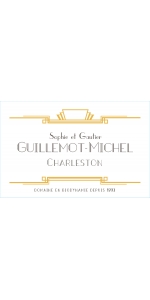
Guillemot-Michel Vire-Clesse Charleston is made from 100 percent Chardonnay.
This cuvée is produced from hundred-year old vines that the great-grandfather planted after he returned from World War I. The family wanted to honor his memory and vinify these vines the same way he did, in old demi-muids.
Charleston is a deep and complex wine that gently express itself in the glass, offering juicy white fruit flavors and a lengthy finish.
Charleston is vinified and aged for one year in demi-muids of over 10 years old. During the following harvest, the wine is racked and placed in vats for another 6 months of aging before bottling.
Fish in white sauce, poultry in creamy sauce, hard cheeses.
Review:
The 2020 Viré-Clessé Charleston is the most structured, concentrated wine in the range, mingling notions of crisp orchard and stone fruit with scents of clear honey, white flowers, beeswax and mint in an inviting bouquet. Medium to full-bodied ample and satiny, it's layered and multidimensional, with impressive depth at the core, racy acids and chalky grip. Derived from the Guillemot family's oldest parcel of vines (dating back to 1918), it's built to age.
-Wine Advocate 94 Points
Bachelet Bertrand Santenay Blanc is made from 100 percent Chardonnay.
Tasting Notes:
The Santenay Blanc comes from a parcel that is 1.2 hectares in size (3 acres) in the village called “En Charron”, at around 300 meters above sea level, with excellent sunshine and thin limestone soil, guaranteeing great aromatic finesse.
The wine shows a beautiful golden color, a fresh and slightly roasted nose combining lemon and lime aromas with a hint of vanilla. On the palate, almond and toasted hazelnut flavors, along with notes of white flowers and vanilla nuances.
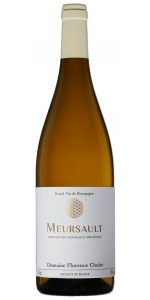
Florence Cholet Meursault Blanc is made from 100 percent Chardonnay.
This classic Meursault offers expressive and complex aromas of white flower, white fruit, and herbal aromas. Bright acidity and minerality emerge on the palate from this beautifully balanced and structured white, followed by subtle hints of vanilla and toasted brioche nuances in a refreshing finish.
Pair with fresh Truffle Pasta, Beaufort Cheese, Pike Quennelles.

Yalumba The Steeple Shiraz is made from 100 percent Shiraz.
The nose is immersed in blueberries and plums leading into very inviting red spices, cranberries and pomegranate. Medium to full-bodied, it is generous with plump fruits and dark cherries. Textural, intriguing and velvety smooth.
Review:
This reminds us of the classic Australian reds of the 1950s and 1960s. Very deep and rich, yet so vibrant and youthful, this has fresh-herb and savory complexity alongside the black-fruit aromas. Great muscular tannins on the powerful palate give it wonderful vitality and clarity. Just a touch of eucalyptus. Very long finish with a wonderfully velvety texture. From vines planted in 1919. Excellent aging potential.
-James Suckling 97 Points
Mount Veeder Winery Cabernet Sauvignon is made from 85% Cabernet Sauvignon, 12% Merlot, 2% Malbec, 1% Cabernet Franc.
The Mount Veeder Winery Cabernet Sauvignon is a deep ruby color. Aromas of black plum, blackberry, fig and ripe cherry, framed by toasted oak and caramel. A hint of dried herb and floral notes. The concentrated fruit flavors and integrated tannins introduce a rich, full-body structure. Sweet fruit is balanced with acidity and savory notes of leather and wet stone, ending with a lengthy finish of dark berry, baking spice, and mocha.
Crafted in celebration of our 50th anniversary, the 2023 Mount Veeder Winery Napa Valley Cabernet Sauvignon is thoughtfully sourced from premier vineyards across Napa Valley, including fruit from our mountain estate. Complex without being cumbersome, this wine has successfully captured the characteristics of the growing season with its intense aromatics and lively acidity.
This vintage reflects our good fortune in working with growers who share our commitment to quality, and we look forward to strengthening these relationships to ensure consistently exceptional wines year after year. Our final blend includes a portion (11%) hailing from our Mount Veeder vineyards, helping link the Napa Valley bottling to the storied past of Mount Veeder Winery.